
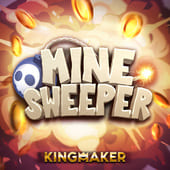
Minesweeper: Classic Grid Strategy on Nunstar
Minesweeper is a clue-led cards game in which each safe reveal narrows the next decision. On nunstar, the Minesweeper Demo gives visitors a clear way to understand the board rhythm before choosing a longer session.
The direct answer is simple: read every number as a map of nearby hazards, mark uncertain squares, and reveal only when the evidence supports the move. The compact layout makes Minesweeper easy to approach on a phone while leaving enough room for careful planning.
Minesweeper Neighbours in the Cards Collection
These four cards games offer different pacing around the same quick-session idea. The first two open the platform selection, while the last two have their own information routes.


How Minesweeper Turns Clues into a Playable Plan
The short version: a covered square is a question, a revealed number is evidence, and a flag is a reminder of risk rather than proof by itself. Minesweeper rewards a player who pauses long enough to connect those three ideas. The Minesweeper Demo is useful because it makes that loop visible without adding unnecessary menus to the board.
At the beginning of a Minesweeper round, reveal a square with a reason for doing so. A blank area can open neighbouring cells, while a number tells you how many hazards touch it. Compare that number with the flags already placed around it. If the count is complete, the remaining covered neighbours are candidates for safe reveals; if it is not complete, preserve the uncertainty.
This approach also explains why a nunstar Minesweeper session can feel more thoughtful than a rapid tap game. You are not chasing every possible opening. You are collecting small, verifiable signals and using them to reduce the board one decision at a time.
For a similar game with a different kind of tempo, the Wild Ace game page is a useful comparison: it changes the focus from reading adjacent clues to watching a faster sequence. Returning to Minesweeper after that contrast can make its deliberate pace easier to appreciate.
Minesweeper Mechanics Explained from First Reveal to Finish
Numbers, neighbours, and flags
Every visible number in Minesweeper describes the hazard total in its surrounding cells, including diagonal neighbours. That small rule is the heart of the game. A “1” beside one flagged square gives you a strong reason to treat its other covered neighbours as safe candidates, while a “2” asks you to account for two hazards before opening anything else.
Flags organize thought. Use one when the surrounding evidence makes a mine highly likely, but keep a mental difference between a confirmed pattern and a guess. If a later number disagrees with the flag, remove it and reassess rather than letting an earlier assumption control the entire Minesweeper board.
The end state is not just an uncovered image. A successful Minesweeper run comes from resolving the board with a chain of consistent deductions. The Minesweeper Demo can be treated as a study mode: watch how one safe opening exposes a second clue, then ask which new squares that clue makes meaningful.
Risk, uncertainty, and session boundaries
Some layouts eventually produce a genuine choice between equally plausible squares. Mechanics do not promise that every position can be solved from information already visible. When that happens, name the uncertainty, choose a measured next step, and accept that a result is not a verdict on your skill.
Keep the stakes separate from the puzzle itself. A sensible nunstar Minesweeper routine uses a defined entertainment limit, short breaks, and a stop point before concentration fades. This preserves the value of the mechanic: careful observation, not pressure to continue.
Winning Tips for a More Reliable Minesweeper Session
Start with information, not speed. A quick first click can be tempting, but the best Minesweeper opening is the one that gives you room to compare multiple clues. Scan the revealed edge before selecting another square and note where a blank region has already reduced the possibilities.
Use local deductions. Work from one small cluster of numbers at a time. Mark a likely hazard, then immediately check whether the adjacent numbers agree. This prevents an attractive pattern on the far side of the board from distracting you from a nearly solved group.
Recount after every flag. A flag changes the meaning of nearby numbers, so it should trigger a fresh count rather than an automatic chain of taps. In Minesweeper, a five-second recount is often more valuable than five fast guesses.
Protect your attention. Play in a bright, comfortable setting, keep the phone steady, and pause when you begin to open squares without reading the clues. A clean mental reset improves a later Minesweeper round more than forcing a tired finish.
There is no guaranteed shortcut, and a Minesweeper Demo cannot turn an uncertain layout into a certain one. The practical advantage comes from making fewer unsupported decisions. If you use a nunstar apk or browser session, keep the same habits: set a time boundary, review the rules, and treat every outcome as feedback.
The Minesweeper Theme and Experience on a Phone
Minesweeper has an intentionally restrained theme: a compact field, clear symbols, and a quiet tension that builds as safe space becomes scarce. That simplicity is an advantage on a small screen. The cards presentation keeps the game recognizable at a glance, and the dark nunstar layout gives the numbers enough contrast to remain legible between decisions.
The experience is built around rhythm rather than spectacle. Reveal, read, mark, and verify. A Minesweeper Demo makes that four-step rhythm easy to practice, while a full session adds the satisfaction of carrying a deduction across a larger board. Sound or animation should support the result, not compete with the clue that caused it.
Players who want a brighter, more immediate contrast can explore the Toon Crash details before returning to Minesweeper. The comparison highlights why some visitors choose a quick burst of action and others prefer a board that rewards stillness.
Whether you use a browser or a nunstar apk, keep the display at a comfortable size and avoid zooming mid-round. A stable view helps the eye track the relationship between each number and its surrounding cells, which is the central visual pleasure of Minesweeper.
Beginner Notes That Make Minesweeper Easier to Read
New players often assume that a flag is permanent. It is better understood as a working note. A beginner can place a flag when the evidence is strong, but should be willing to move it after a new reveal. This flexible habit keeps the Minesweeper board honest.
Diagonal contact matters as much as horizontal or vertical contact. Count all surrounding cells when reading a clue, and look for an unopened corner that may be included even when it seems visually distant. Many early mistakes in Minesweeper come from forgetting that one diagonal square.
Do not treat a failed guess as a reason to double the pace. Take a breath, identify the last clue you trusted, and consider whether the board gave you enough information. The Minesweeper Demo is ideal for repeating this review because each practice round can focus on one small improvement.
Finally, learn the interface before you worry about performance. Check how a tap reveals a cell, how a long press or control places a flag, and where a new board begins. Knowing those details lets a beginner give full attention to the actual Minesweeper clues.
Use Minesweeper for Different Kinds of Short Sessions
For a first look: choose the Minesweeper Demo and spend a few minutes learning how clues connect. The objective is familiarity, not a personal record. A small, unrushed sample answers whether this kind of cards game suits your attention style.
For a focused break: play one planned Minesweeper round with notifications muted. The finite board gives the break a natural shape, and a clear stop rule keeps the activity from expanding into an unplanned session.
For skill practice: keep a simple note about the patterns that caused hesitation. Revisit those patterns in the next Minesweeper Demo rather than changing several habits at once. Progress is easier to see when each round has one learning goal.
For variety: after a calm board, the Asgardian Rising overview offers a different atmosphere. Come back to Minesweeper when you want a quieter decision cycle, and use the contrast to choose the experience that fits your available time.
Make Your Minesweeper Visit Comfortable and Clear
A good Minesweeper session starts with a clear purpose, a comfortable limit, and enough time to read the board. The game is entertainment, so take breaks, never chase a result, and use the available demo experience when you are still learning.
When you are ready to explore the nunstar Minesweeper experience, use the button below to open the platform. The same clue-reading habits remain useful whether you begin with a Minesweeper Demo or move into a longer session.